
24/7 Emergency Availability: Help is available around the clock for urgent plumbing problems.
Leak Detection in PA
Hidden water leaks can damage drywall, flooring, plumbing components, and other parts of your home before the source becomes obvious. That HVAC Guy & Plumbing provides professional leak detection in PA using specialized diagnostic methods to help pinpoint hidden leaks while minimizing unnecessary cutting and guesswork. We serve homeowners throughout Montgomery County, Bucks County, and nearby Pennsylvania communities.
Why Homeowners Choose Us for Leak Detection in PA
Signs You May Have a Hidden Water Leak
Hidden plumbing leaks can develop behind walls, beneath floors, or along buried water lines without creating an obvious puddle. Common warning signs include an unexplained increase in your water bill, damp or discolored drywall, musty odors, reduced water pressure, or the sound of running water when fixtures are off. Outdoor or underground leaks can be even harder to identify because visible signs may not appear near the actual source.
Older properties may also have aging supply lines, previous plumbing repairs, or pipe materials that are more susceptible to deterioration over time. Homeowners in the area can learn more about plumbing problems in older Montgomery County homes, including issues that may develop in homes built before 1980.
If you suspect a hidden supply-side leak, a simple water meter check can help determine whether water is moving through the system when no fixtures should be using it:
- Make sure faucets, toilets, appliances, irrigation, and other water-using fixtures are not running.
- Locate your water meter and record the current reading.
- Avoid using water for at least 30 minutes, then check the meter again for any change.
If the meter reading changes while all known water uses are off, there may be an active leak somewhere in the supply system. If water is actively escaping and you can do so safely, shut off the main water valve to help limit additional damage. Then contact our plumbing team to locate the source and determine the appropriate next step.
Our Leak Detection Process
Our technicians begin by evaluating the symptoms and narrowing down where the leak may be occurring. Depending on the location and type of plumbing problem, the diagnostic process may involve checking water usage, isolating sections of the system, and using specialized leak detection methods to investigate leaks behind walls, beneath floors or slabs, and along buried water lines. The goal is to identify the source while minimizing unnecessary disruption to your property.
Depending on the suspected source of the leak, the diagnostic process may include:
By narrowing down the suspected source before repair work begins, leak detection can help reduce unnecessary exploratory cutting and make the next step more focused. Once the issue is located, our team will explain what was found and review the appropriate repair options with you.
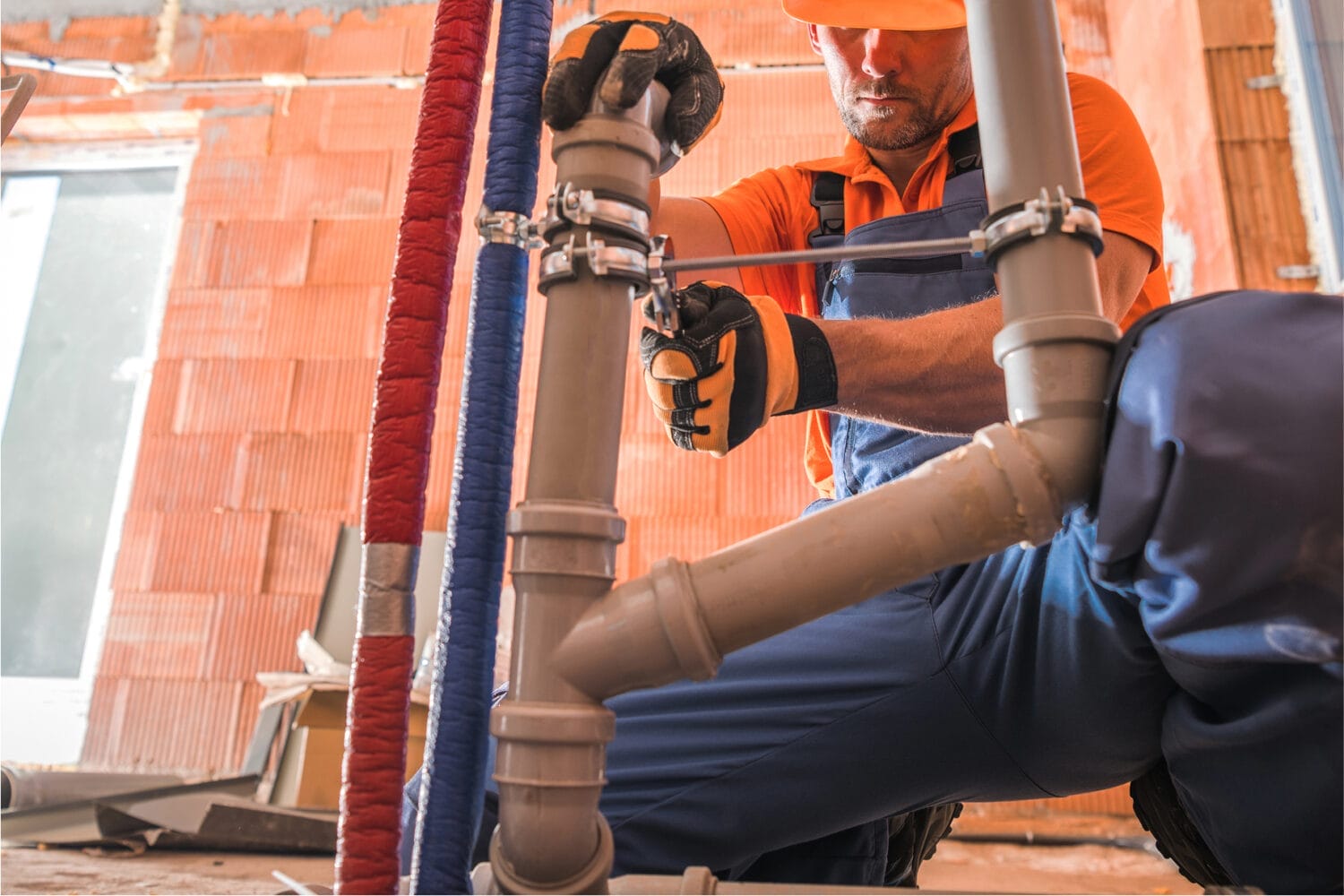

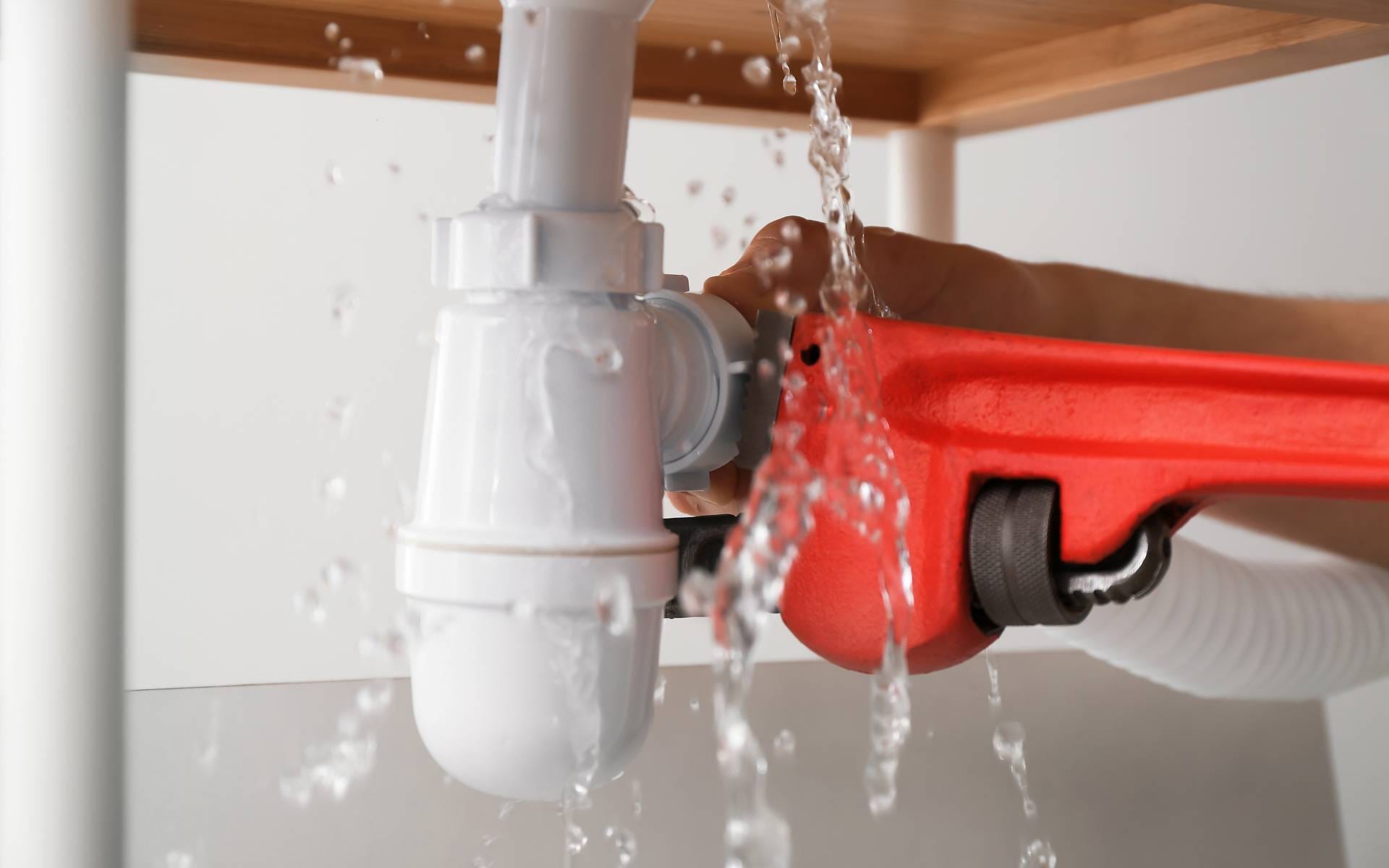
Leak Detection Costs and What Happens Next
Leak detection and plumbing leak repair are related but separate parts of the service. The diagnostic visit focuses on locating the source of the problem, while the repair addresses the damaged pipe or plumbing component itself.
The cost of leak detection can vary based on factors such as where the leak is located, how accessible the plumbing is, the type of system involved, the diagnostic methods required, and whether emergency service is needed.
Once the leak has been identified, our technicians explain the repair options that apply to the affected pipe and location. Depending on the problem, the next step may involve repairing an accessible section of pipe, replacing a damaged section, or rerouting a water line when appropriate. The recommended approach depends on the condition of the plumbing, accessibility, and the extent of the damage.
If the inspection shows scale buildup, corrosion, or other water quality concerns, our guide to how hard water affects plumbing explains what homeowners should know. We also offer water filtration and water softening systems when treatment is appropriate for the home’s water conditions. If the leak involves the water heater, our water heater repair vs. replacement guide can help you understand the factors involved in deciding what to do next.
Before approved repair work begins, we explain the recommended solution and provide clear written pricing so you know what the work will involve.
Common Questions About Leak Detection in Pennsylvania
How much does professional leak detection cost in PA?
Leak detection costs vary based on the location of the suspected leak, how accessible the plumbing is, the type of system involved, and the diagnostic work needed to isolate the source. A leak behind an accessible wall may require a different level of investigation than one beneath a slab or along a buried water line. Our team evaluates the situation and provides clear written pricing before approved work begins.
Is leak detection separate from plumbing leak repair?
Yes. Leak detection focuses on locating and diagnosing the source of the problem, while leak repair addresses the damaged pipe or plumbing component. The diagnostic process helps narrow down the affected area so the appropriate repair can be recommended with less unnecessary exploratory work. Once the problem is identified, we explain the recommended repair and provide written pricing before approved work begins.
How do I confirm a hidden leak before I call?
A water meter check can help indicate whether you may have a hidden supply-side leak. Make sure faucets, toilets, appliances, irrigation, and other water-using fixtures are not running, record the meter reading, and avoid using water for at least 30 minutes. If the reading changes while all known water use is off, there may be a leak that needs professional diagnosis.
Will you have to open walls or break concrete to find the leak?
Not necessarily. Leak detection is intended to narrow down the suspected source before walls, floors, or concrete are opened unnecessarily. Depending on the type and location of the leak, technicians may be able to investigate the problem with minimal disruption. If access is required to complete the repair, we explain where work is needed and what the repair will involve before approved work begins.
What are my options for slab leak repair?
Slab leak repair depends on the location of the damaged line, the condition of the pipe, and how it can be accessed. In some cases, a plumber may repair an accessible section of the line. In others, rerouting the affected water line may be more practical than opening a larger area of concrete. After locating the leak, our team can explain which repair options apply to your plumbing system.
What should I do if I have an active leak after hours?
If you can do so safely, shut off the main water supply to stop or reduce the flow. Avoid standing water near electrical outlets, appliances, or other electrical equipment, and do not enter an area that may present an electrical hazard.
Once the immediate flow is controlled, contact That HVAC Guy & Plumbing for emergency service. If you are unsure whether the situation requires an urgent call, review our guide on when to call an emergency plumber.
If you suspect a hidden water leak, professional diagnosis can help identify the source before the problem causes additional damage. That HVAC Guy & Plumbing provides leak detection and plumbing repair services for homeowners throughout Montgomery County, Bucks County, and nearby Pennsylvania communities. Call (215) 292-8861 or schedule online to request a diagnostic visit and learn what repair options apply to your home.