Is this a real plumbing emergency, or can it wait until morning? For homeowners in Horsham, Hatfield, and Conshohocken, understanding the difference between an emergency plumber and a regular plumber can help prevent costly water damage.
Choosing the wrong response can lead to structural damage, mold growth, or sanitation risks. This guide explains when to call for immediate help and when to schedule a routine visit, including a quick triage checklist, a 10-minute crisis plan, and a clear breakdown of emergency costs.
Is It an Emergency? Service Speed and Priority Compared
A plumbing problem at midnight is not automatically an emergency. The level of risk, not the time of day, determines urgency.
Regular plumbing services cover scheduled diagnostics, repairs, and installations during standard business hours. This includes planned work like fixing a slow drain or installing a new faucet. Same-day service may also be available for urgent but non-damaging issues, typically without emergency dispatch fees.
An emergency plumber provides 24/7 dispatch to address active flooding, sewage backups, or immediate safety hazards. In these situations, the priority is stabilizing the problem to prevent further damage before completing permanent repairs during a follow-up visit.
Related Article: AC Not Cooling But Running? Here’s What’s Wrong
Emergency Plumber vs Regular Plumber: Your 60-Second Triage Checklist
If you discover a leak or water issue late at night, you may have only minutes to decide whether it’s an emergency. Use this quick checklist to guide your decision.
Call an Emergency Plumber Now If:
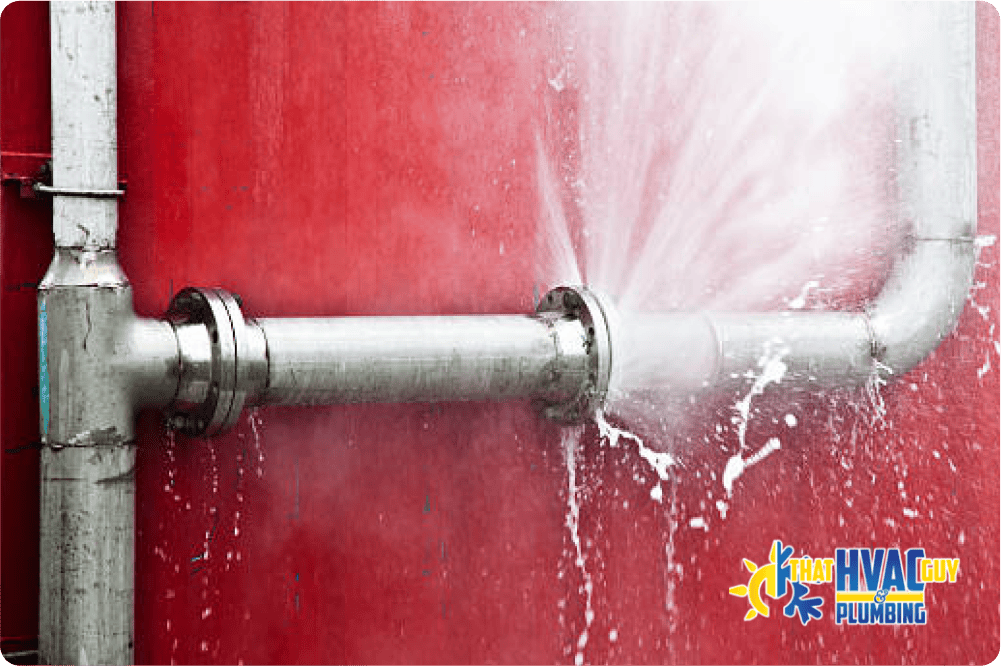
- Active flooding: uncontrolled flow from burst pipes or failed supply lines.
- Sewage backup: waste surfacing in tubs, toilets, or floor drains.
- Total water loss: no running water to the entire building.
- Water heater leak: pooling water near the unit or electrical panels.
- Gas smell: exit the home immediately, call 911, and contact a plumber only once the area is declared safe.
Can Usually Wait for Regular Service:
- A slow drip that is easily contained by a bucket.
- One clogged fixture when other drains in the house still work normally.
In Horsham, it’s often best to treat borderline situations as prevention calls to avoid long-term structural damage.

The 10-Minute Crisis Plan: Protect Your Home Before Help Arrives
Before a technician arrives, your priority is to stop the damage. These steps apply whether the visit is an emergency or a scheduled same-day service.
Step 1: Stop the water.
Locate the fixture valve or the home’s main shut-off immediately. Modern homes typically use quarter-turn ball valves for fast shut-off, while older properties may have multi-turn gate valves that require several rotations.
Step 2: Prioritize safety.
Keep everyone away from standing water near outlets or electrical panels. If you can reach your breaker box without stepping in water, shut off power to the affected area to prevent electrical hazards.
Step 3: Contain and document.
Use buckets and towels to contain the spread, and open cabinet doors to improve airflow. Take clear photos or videos of the leak before cleaning up. This documentation helps support insurance claims.

Emergency vs Regular Plumbing: Understanding the Bill
Emergency plumbing calls may include a dispatch fee before work begins. Pricing varies based on timing, severity, and labor requirements.
- Labor multipliers: After-hours service (nights, weekends, holidays) often costs more than standard rates.
- Minimum charges: Many emergency calls include a minimum service time.
- Same-day vs emergency: Scheduling during business hours can help reduce costs.
Before you confirm dispatch, get clear answers to these three questions: Are you licensed and insured in PA? What is the exact dispatch fee, hourly rate, and minimum billable time? Will I receive a written estimate before work begins?
The team at That HVAC Guy provides clear, upfront pricing and honest recommendations. If you’re dealing with an urgent plumbing issue, contact us today for fast, reliable service.
Deciding Your Next Step: Is This a Plumbing Emergency?
Choosing between an emergency call and a scheduled repair means weighing the dispatch fee against the risk of property damage. Emergency rates cost more, but they are a small investment compared to mold remediation or structural repairs from uncontained leaks. If you can stop the flow and the situation is stable, a same-day appointment is the better budget move.
- Call for emergency service now if: you have active flooding, sewage backing up, a complete loss of water, or a leak threatening electrical panels or your water heater.
- Schedule a standard visit if: the problem is a contained slow drip, an isolated clog that is not overflowing, or a minor fixture issue.
Choosing between emergency service and a scheduled repair comes down to balancing cost and risk. While emergency service costs more, it can prevent significantly higher repair expenses from water damage. If the situation is stable and contained, a same-day visit is often the better option.
Frequently Asked Questions
When should I call an emergency plumber instead of waiting?
Call an emergency plumber immediately if you have active flooding you cannot stop, a sewage backup, total water loss, or water near electrical systems. If delaying repairs increases damage, the situation should be treated as an emergency.
Is a clogged toilet an emergency or can it wait until morning?
A clogged toilet can usually wait until morning if it is not overflowing and you have a second functioning bathroom in the home. It becomes an emergency if you notice sewage smells, waste backing up into tubs, or if it is the only toilet in the building.
Will homeowners insurance cover an emergency plumber?
Homeowners insurance typically covers the damage caused by sudden and accidental water failures, not the plumber’s repair bill itself. Most policies require you to take immediate action to limit damage. Keep detailed photos and receipts from your emergency visit for a successful claim.
What is the difference between a same-day plumber and an emergency plumber?
The main difference is availability and dispatch cost. A same-day plumber provides fast service during standard business hours, which is more affordable than 24/7 dispatch. An emergency plumber handles catastrophes that cannot wait — nights, weekends, and holidays included.
How do I avoid getting scammed when I need urgent plumbing repair at night?
Ask for a clear dispatch fee, an hourly rate, and minimum labor charges before the technician is dispatched. Trusted local professionals provide upfront written estimates before any work begins. Avoid contractors who demand cash-only payments or refuse to give official documentation.
What should I do if I cannot find the main water shut-off?
Try closing the individual isolation valves located directly behind the leaking fixture. These are usually small silver knobs or lever handles that you turn clockwise. If you cannot stop the flow at the fixture, check the basement or the point where the water line enters from the street. If water remains uncontrolled, call for emergency help right away.
For non-emergency upgrades or scheduled maintenance, visit our plumbing services page for the full list of what we handle.